visit our sister venues
You said YES — now what? The first month after getting engaged can feel equal parts magical and overwhelming. Between celebrating, answering a million questions, and scrolling inspiration late at night, most couples aren’t sure where to start.
If you’re wondering what to do after getting engaged or looking for a clear path forward, here’s a simple, stress-free plan to guide your first 30 days of wedding planning — so you can enjoy the moment and set a strong foundation.
Celebrate + Share the News
Before you jump into planning mode, take a breath and celebrate this huge milestone. This is a once-in-a-lifetime season, so let yourself soak it in!
Ideas to start:
-
Celebrate with family and friends — or keep it private for a few days just for you two
-
Snap a few engaged photos (phone pics totally count!)
-
Share the news in a way that feels authentic to you
Many couples immediately start searching “just engaged what to do” — but the real first step is enjoying being newly engaged. Planning can wait a minute.
Talk About Your Big-Picture Vision
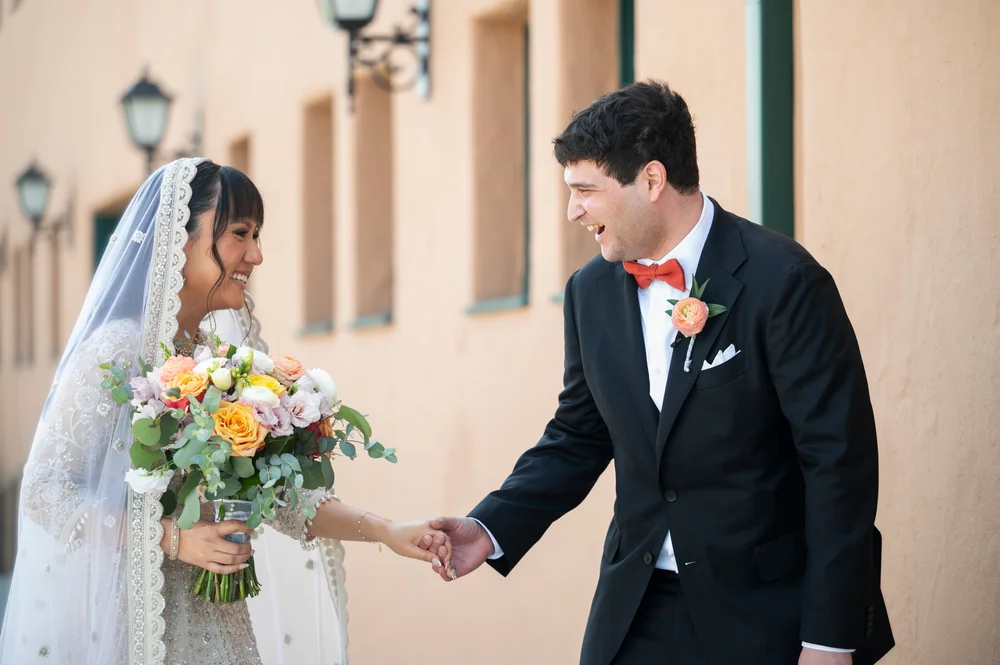
Your wedding vision shapes every decision that follows — even if it’s still evolving. Early conversations help you stay aligned and avoid decision fatigue later.
Discuss together:
-
Overall vibe (modern, romantic, bold, cozy, chic, fun)
-
Preferred season or time of year
-
Approximate guest count
-
Ceremony and reception style
-
Must-haves vs. nice-to-haves
If you’re unsure where to start planning a wedding, this conversation is it. A clear vision makes every next step easier — from venue tours to décor choices.
Set a Realistic Budget
Your budget influences nearly every planning decision — and getting aligned early prevents stress later.
How to set a wedding budget:
-
Decide who is contributing financially
-
Talk honestly about comfort levels (not just the max)
-
Create budget categories: planner, venue, catering, photography, décor, entertainment, rentals
-
Leave room for surprises
Early budget conversations are one of the most valuable wedding planning tips — they keep expectations realistic and decision-making smooth.
Start Your Guest List Draft
You don’t need a final guest list yet — just a working estimate.
Helpful starting points:
-
Create an A-list and B-list
-
Estimate a range (ex: 75–100 guests)
-
Consider travel needs for out-of-town guests
Guest count directly impacts venue options, catering costs, and layout possibilities — which is why it’s a key step in any newly engaged checklist.
Choose Your Wedding Planning Approach
Every couple plans differently — and there’s no single “right” way to do it.
Common approaches:
-
Full-service wedding planner
-
Partial planning support
-
Month-of coordination
-
DIY planning with vendor guidance
-
Planning completely on your own
Many couples choose to hire a wedding planner early because planners guide venue searches, help manage budgets, and prevent common early mistakes. Even if you don’t use full-service planning, expert guidance can simplify the process significantly.
Start Researching Venues
Venues book quickly, and securing your space sets the tone for your entire wedding.
Wedding venue search tips:
-
Look for spaces that match your vision and guest count
-
Consider indoor + outdoor flexibility
-
Check availability for your preferred season
-
Browse real wedding galleries for inspiration
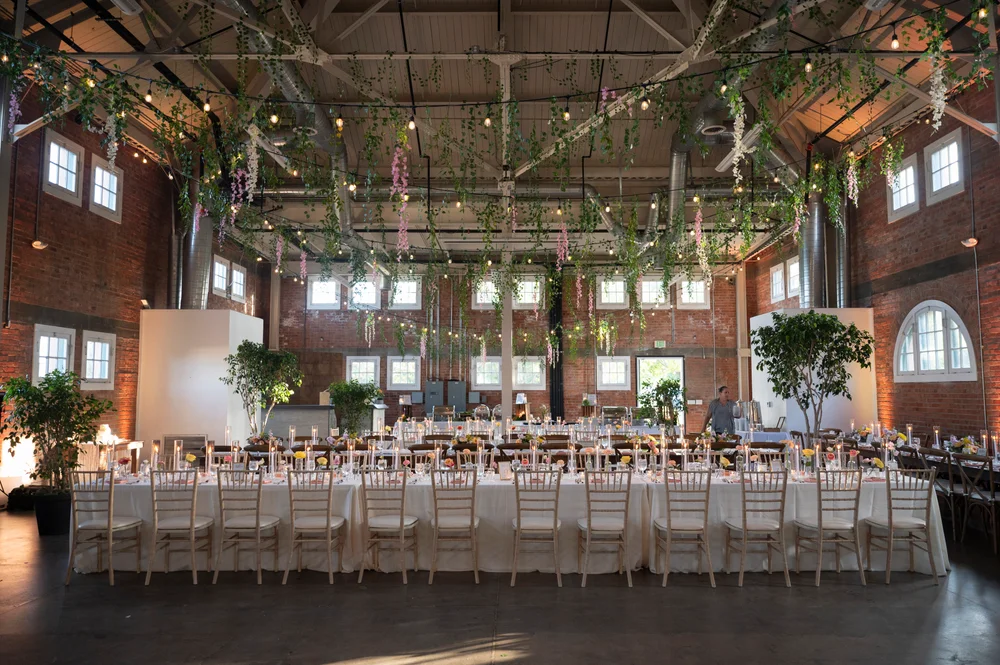
Flexible, blank-canvas venues allow your style to shine, whether you’re planning something intimate, modern, dramatic, or timeless. If you’re planning a celebration in Southern California, touring venues in San Diego can help you compare layouts, lighting, and overall atmosphere in person.
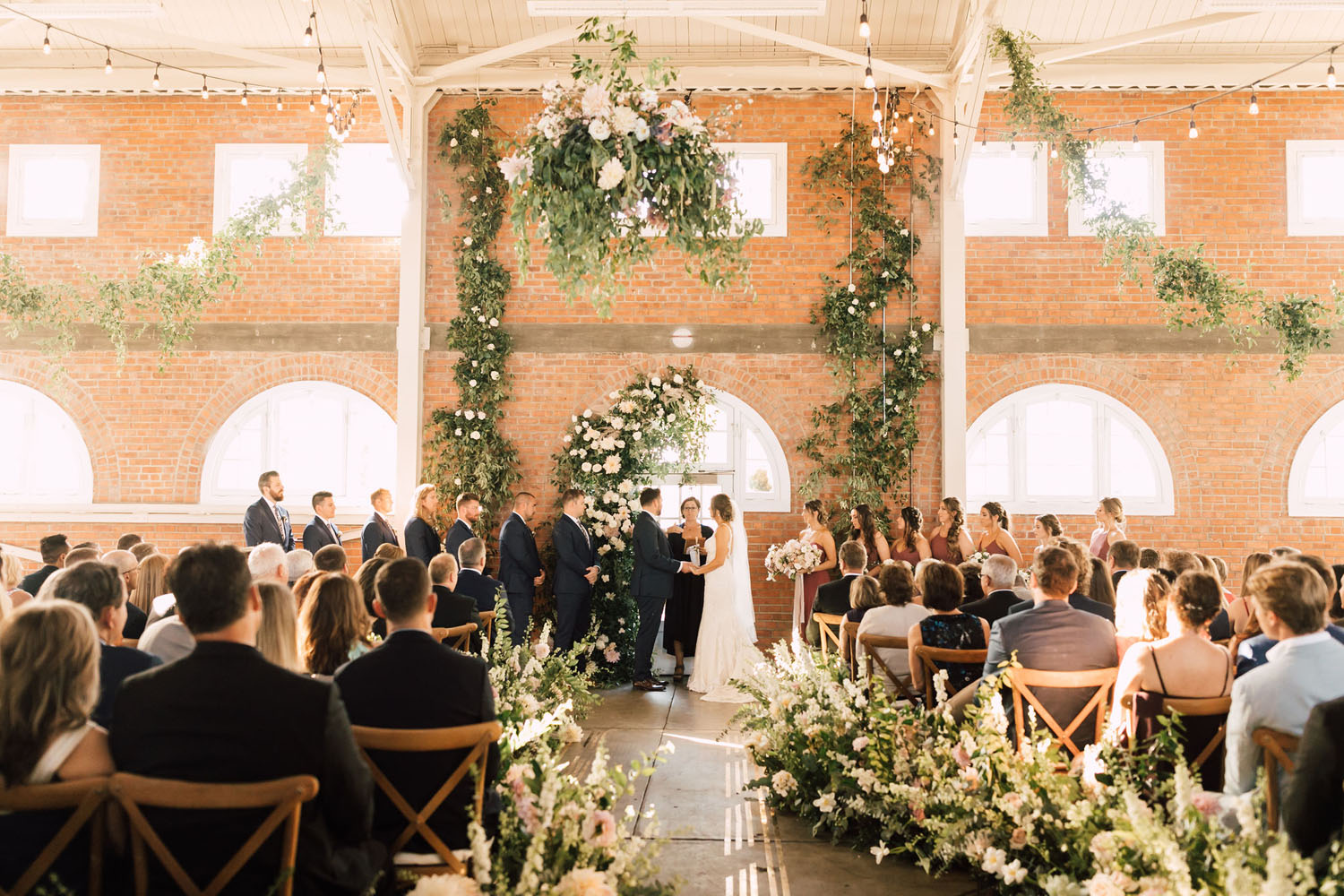
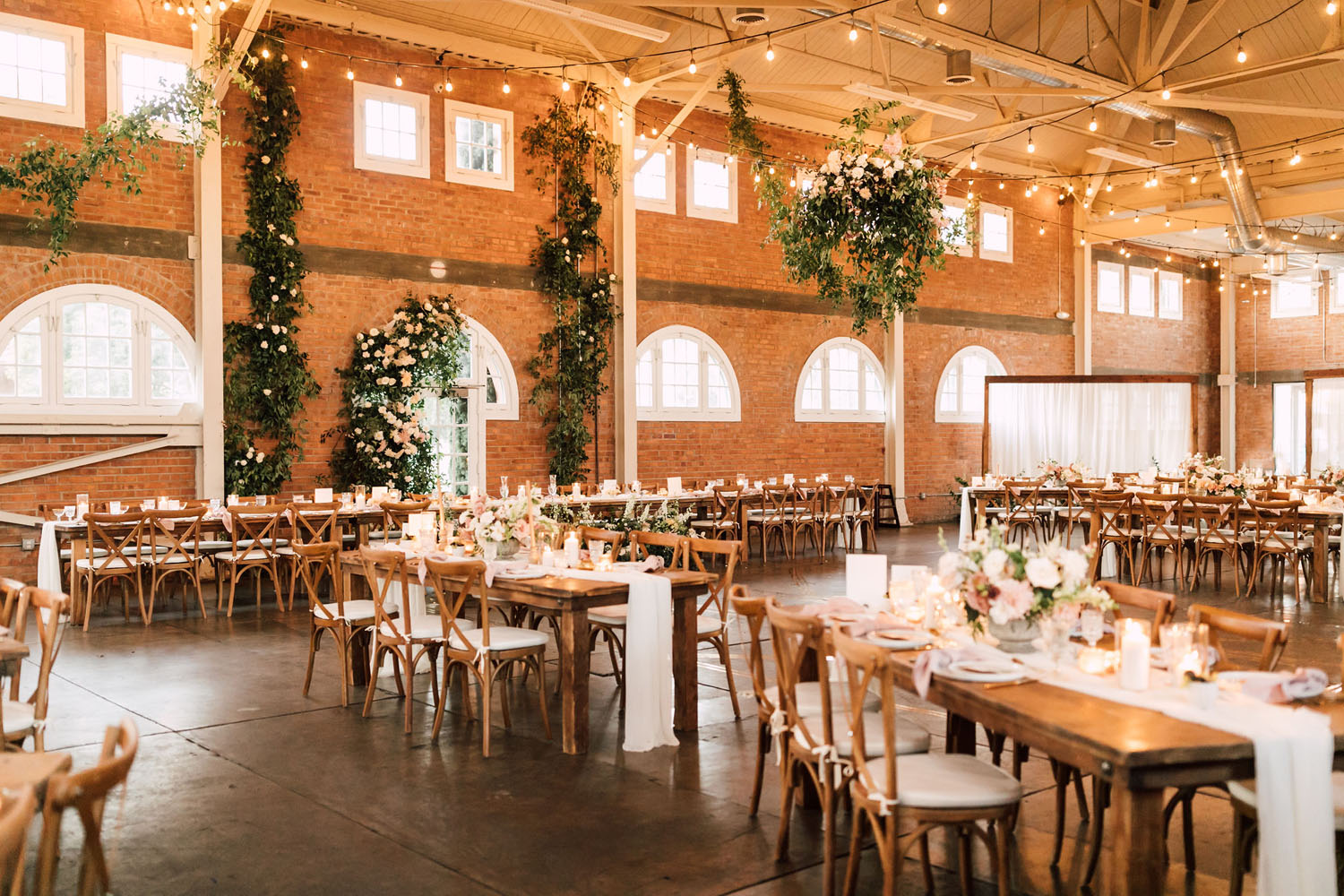
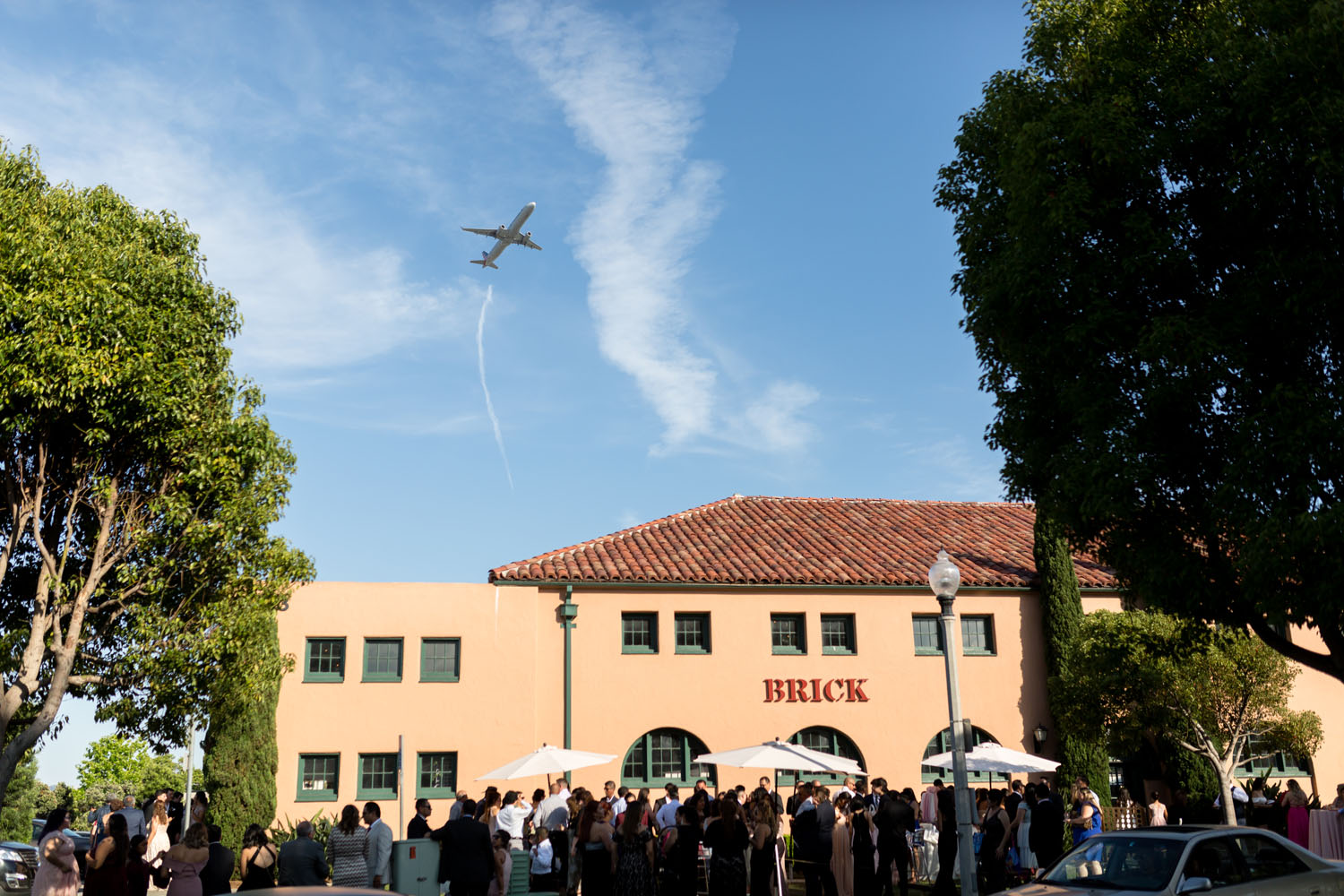
For couples seeking a versatile space with character, BRICK offers a flexible environment that adapts beautifully to a wide range of wedding styles — from minimalist elegance to bold, statement design.
Create a Rough Timeline + Planning Priorities
Once your venue is secured, everything else starts falling into place.
Your first 30 days wedding planning priorities:
-
Finalize your wedding date
-
Begin researching major vendors (planners, photography, catering)
-
Start a mood board or design inspiration collection
-
Plan engagement photos
-
Explore wedding websites and registries
Having a rough timeline helps you stay organized and confident as decisions begin stacking up.
Set Up Organization Systems
A little organization early = significantly less stress later.
Simple planning tools:
-
Shared Google Drive for contracts and inspiration
-
Wedding planning spreadsheet
-
Dedicated wedding email address
-
Pinterest or digital mood boards
-
Saved inspiration from real weddings
Organization is one of the most underrated newly engaged planning tools — but it makes every step easier.
Final Thoughts
Your first month of being engaged should feel joyful — not overwhelming. By focusing on big-picture decisions like vision, budget, guest count, and venue research, you’ll create a strong foundation for a celebration that truly reflects you.
When you’re ready to see possibilities in person, schedule a tour of BRICK and discover how the right space can bring your vision to life — no matter your style.